ALTITUDE

THE ELECTRIFIED WINGSUIT

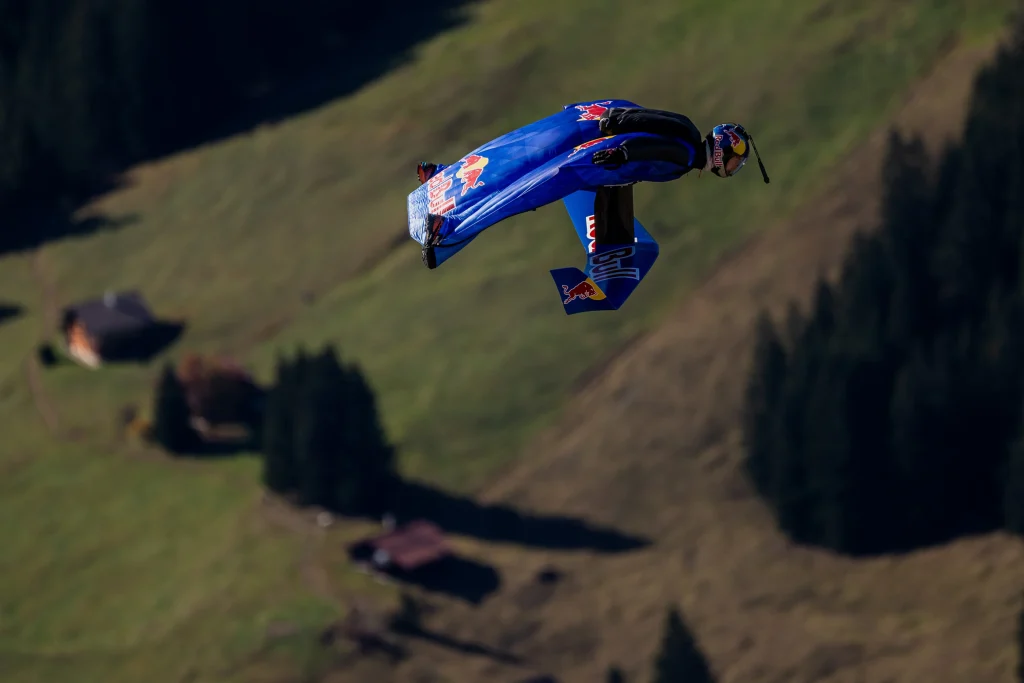
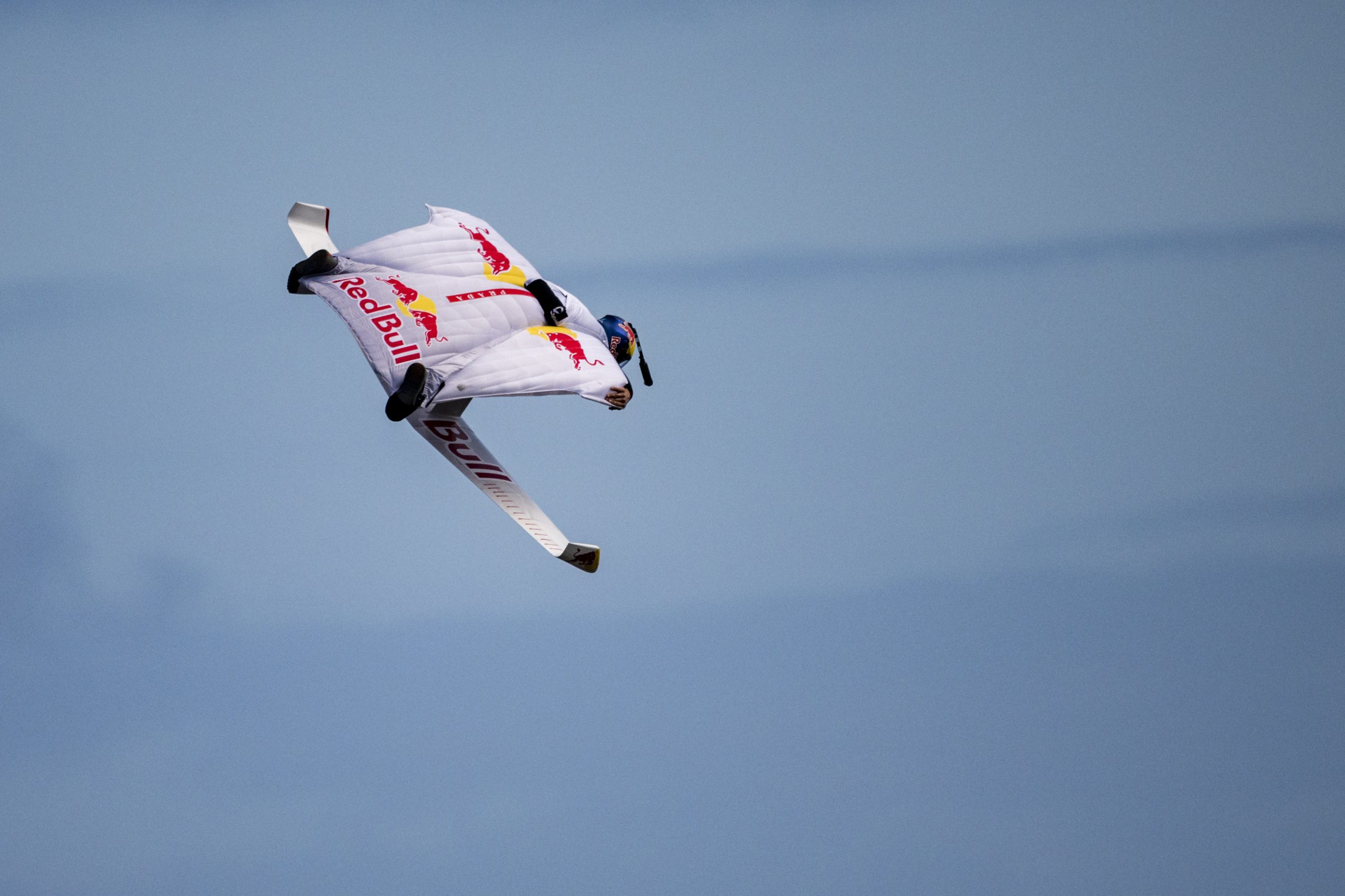
An experimental project with Red Bull and Prada Linea Rossa, using a wingsuit foil to harness dynamic lift for extended glide and altitude gain.

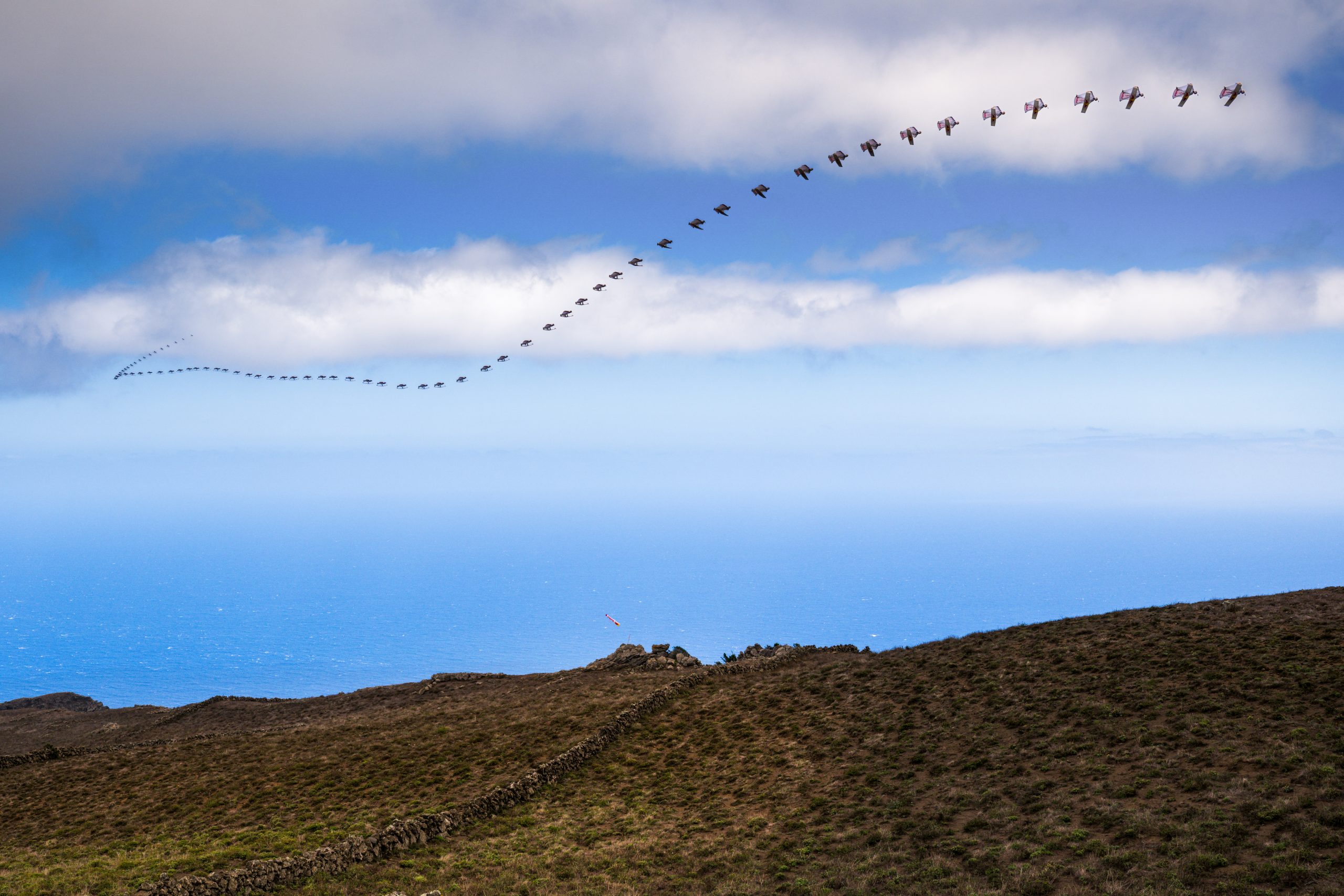
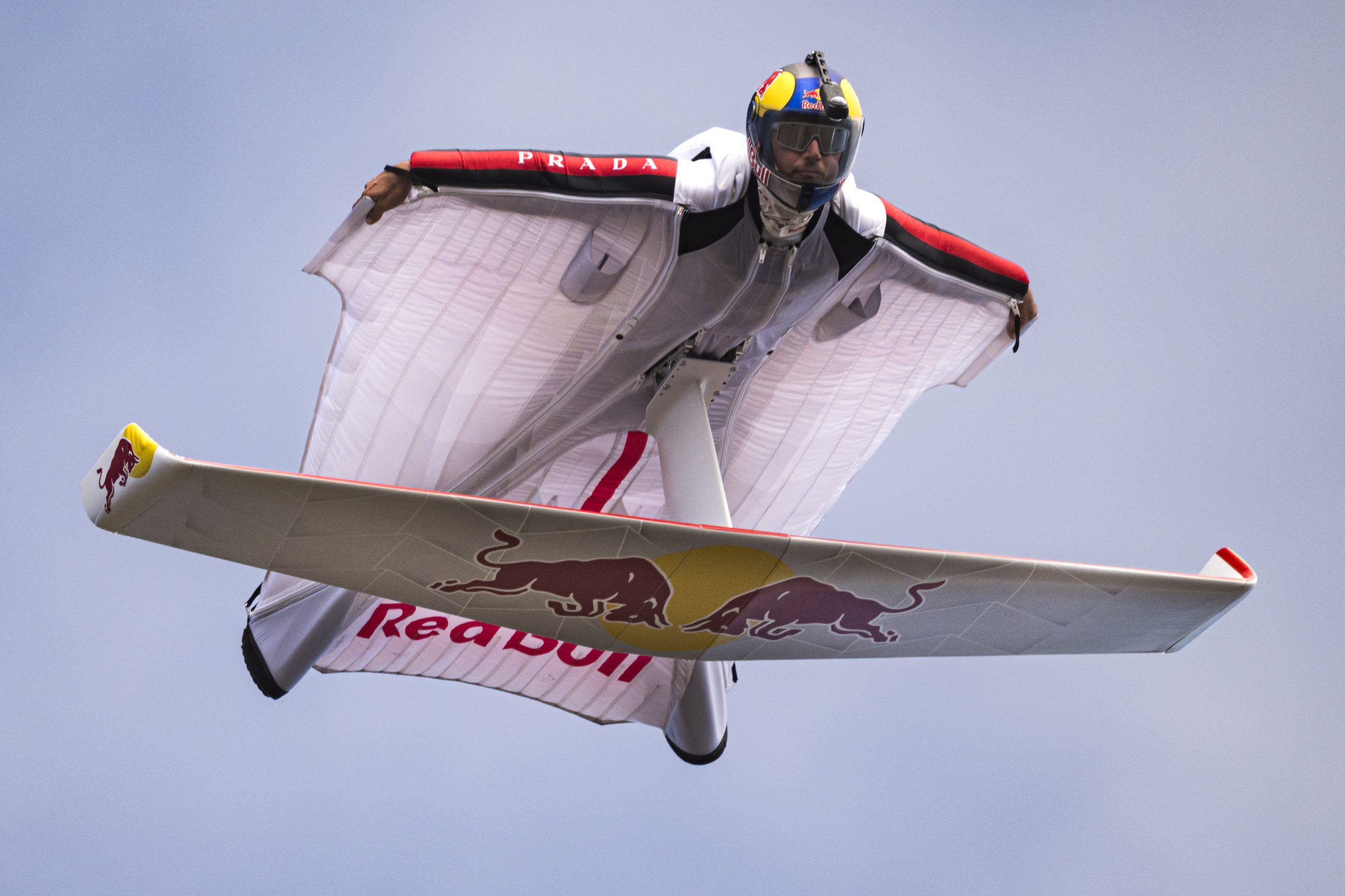
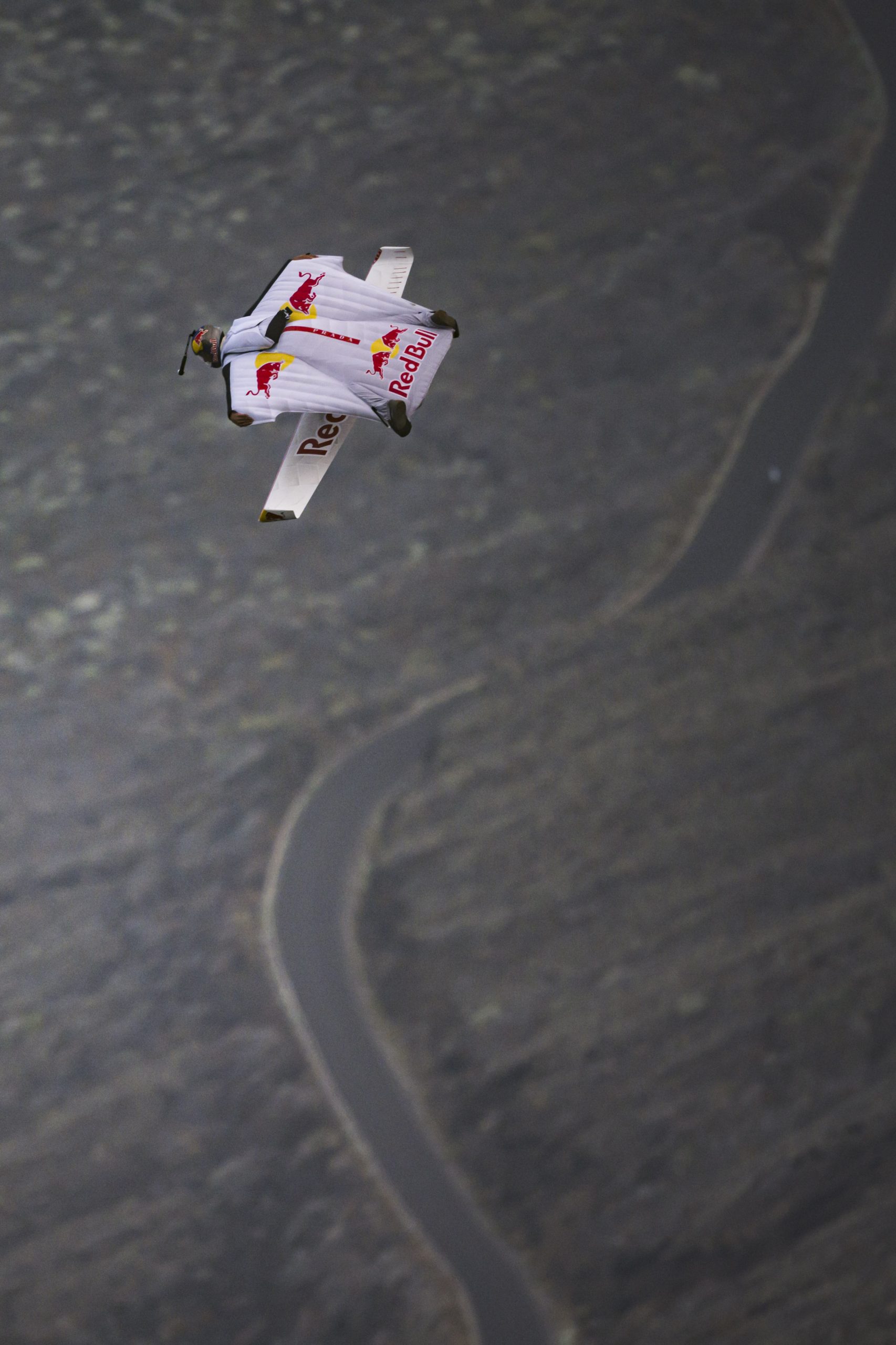
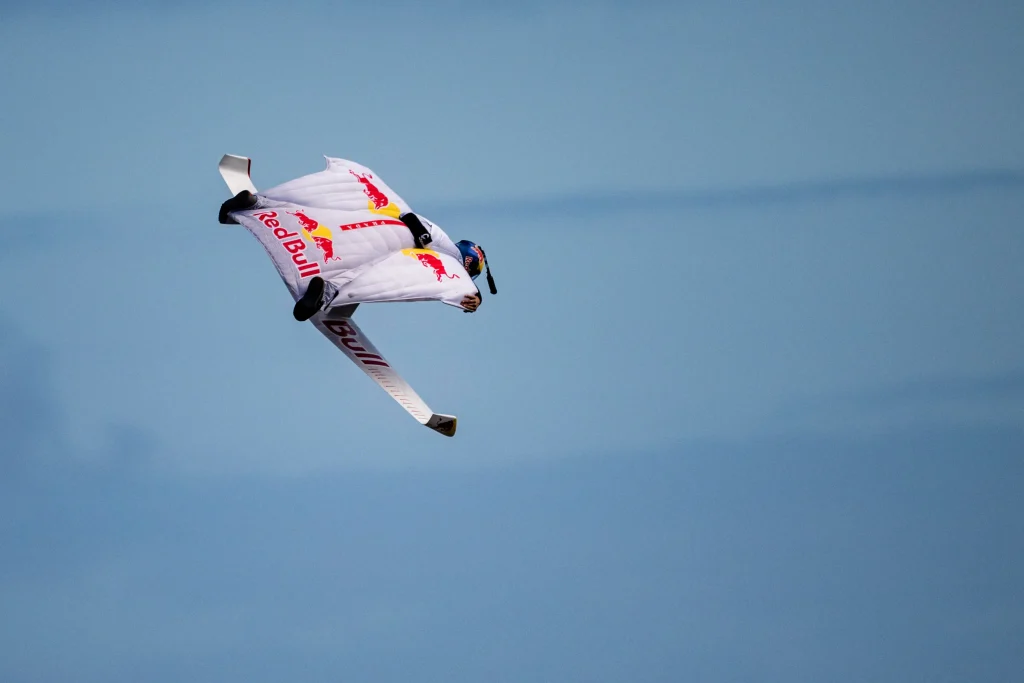
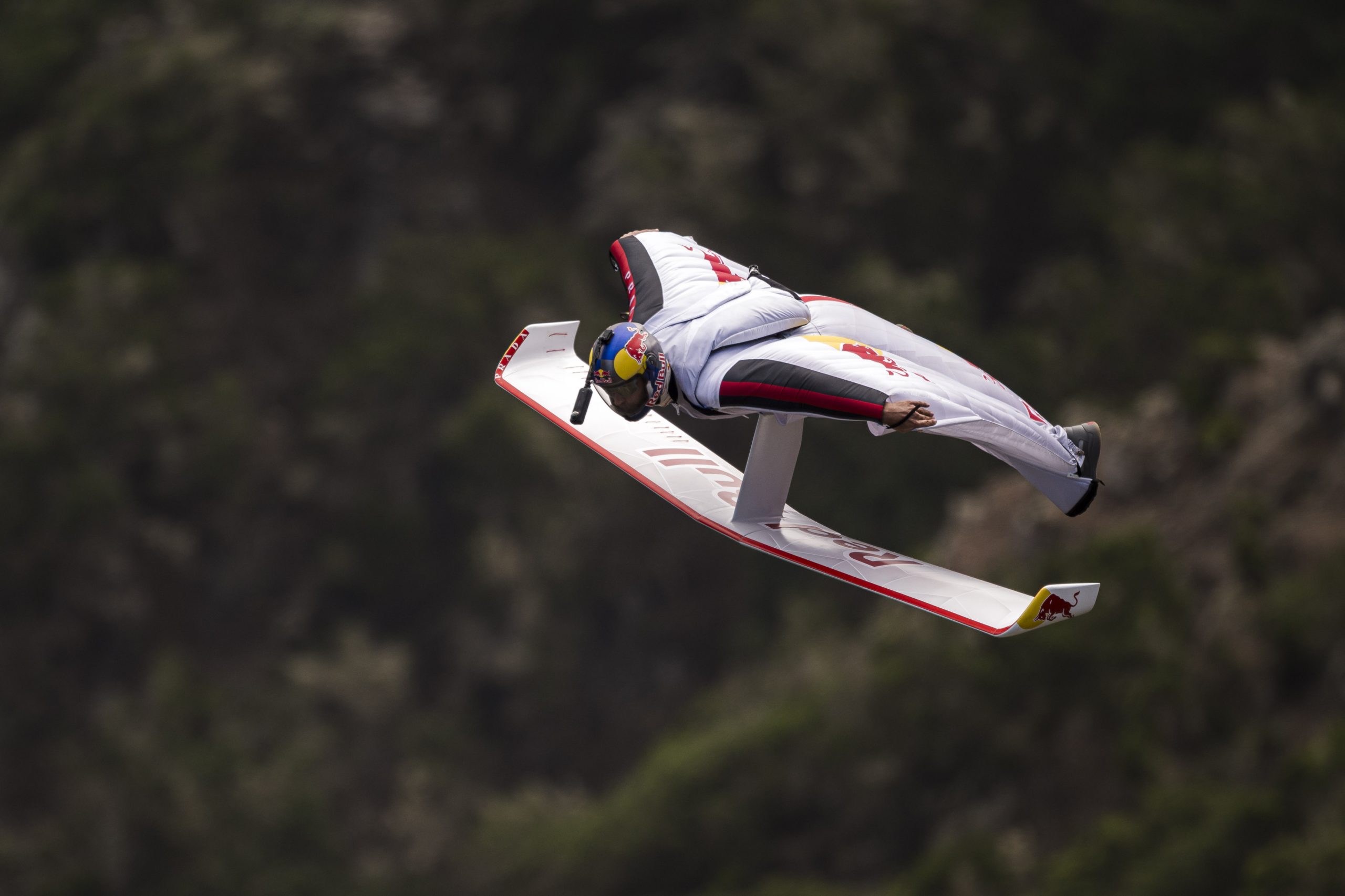
It was never about falling slower. It was about staying in the sky. On the volcanic cliffs of El Hierro in the Canary Islands, Peter Salzmann pushed human flight into completely new territory. Using a specially developed wingsuit foil, he became the first wingsuit pilot to soar like a bird — maintaining and even gaining altitude mid-flight without engine power. Flying along mountain ridges and working with rising air currents, Peter gained up to 67 meters of altitude during a single flight. Under moderate wind conditions of around 40 km/h, he achieved something previously considered impossible in wingsuit flying. The project combined precision flying, aerodynamic innovation, and an entirely new understanding of how humans can move through the air.

Together with designer Andreas Podlipnik, Red Bull, Prada Linea Rossa, and Red Bull Advanced
Technologies, Peter developed a system capable of transforming wingsuit flight from controlled descent into true soaring. What emerged was more than a new prototype. It was a glimpse into the future of human flight.

Contact

The Journey

Phase 1

The Childhood Dream

For as long as he could remember, Peter dreamed of flying like a bird — not just gliding through the sky, but truly staying airborne. The idea of soaring through the mountains without constantly losing altitude became an obsession.

Phase 2

The Vision

Traditional wingsuits are designed for controlled descent. The vision behind the Wingsuit Foil project was radically different: using the energy of the wind itself to extend flight and gain altitude naturally, just like birds and gliders do.

Phase 3

Development

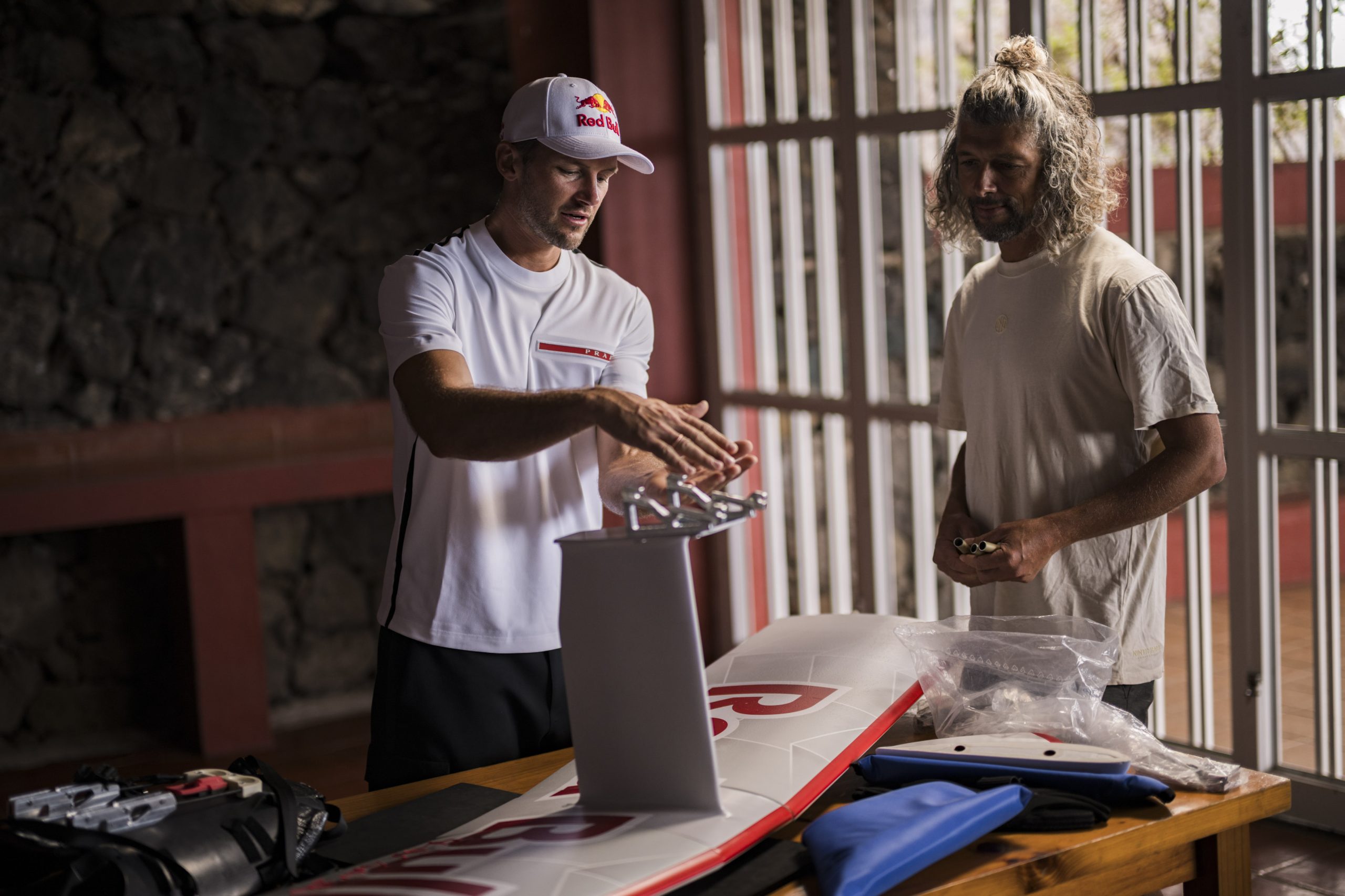
Creating the foil required years of experimentation, testing, and redesign. Different concepts, materials, and aerodynamic shapes were refined to build a lightweight system capable of producing lift while remaining agile enough for wingsuit flight close to terrain.

Phase 4

The Team

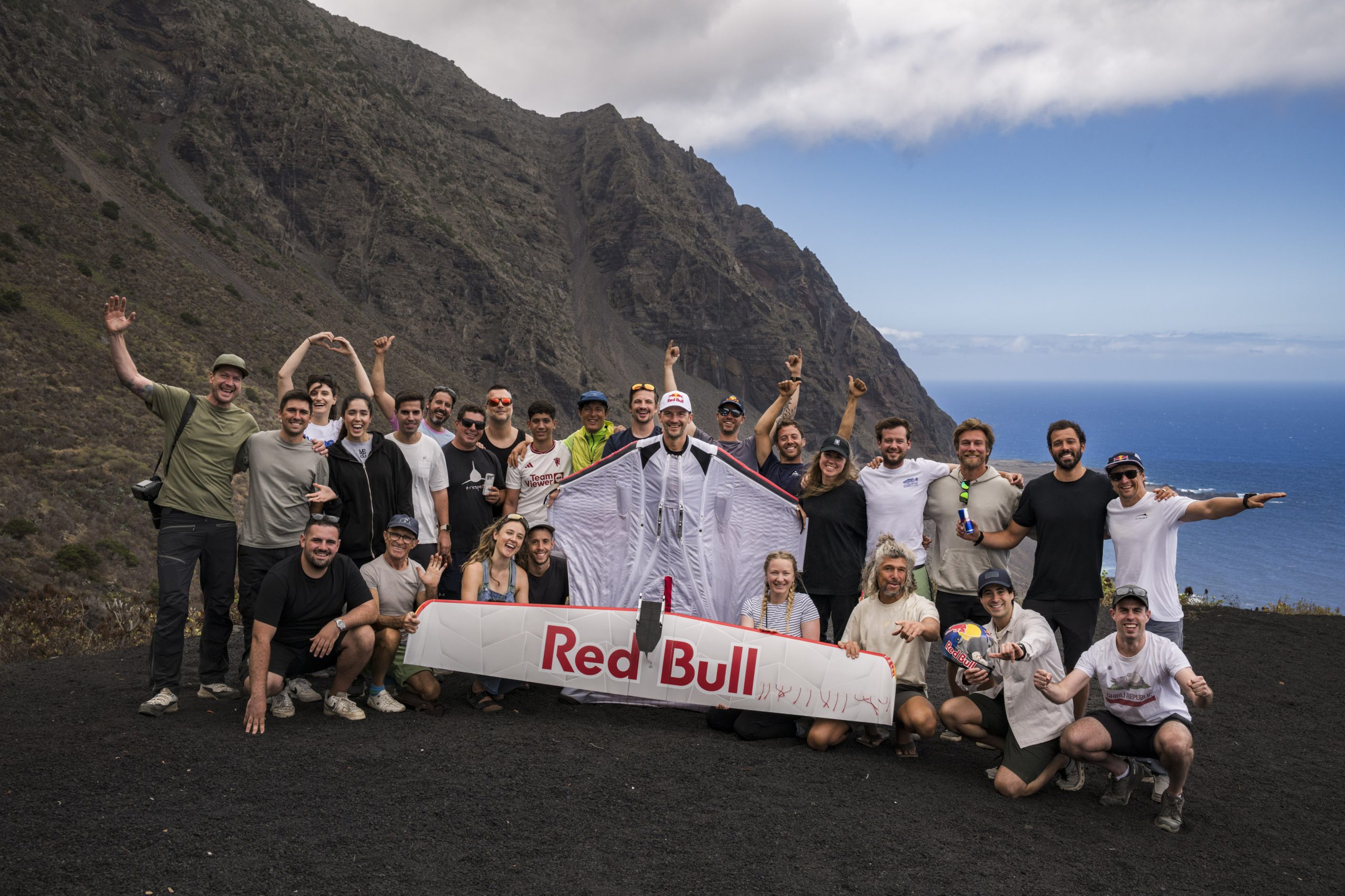
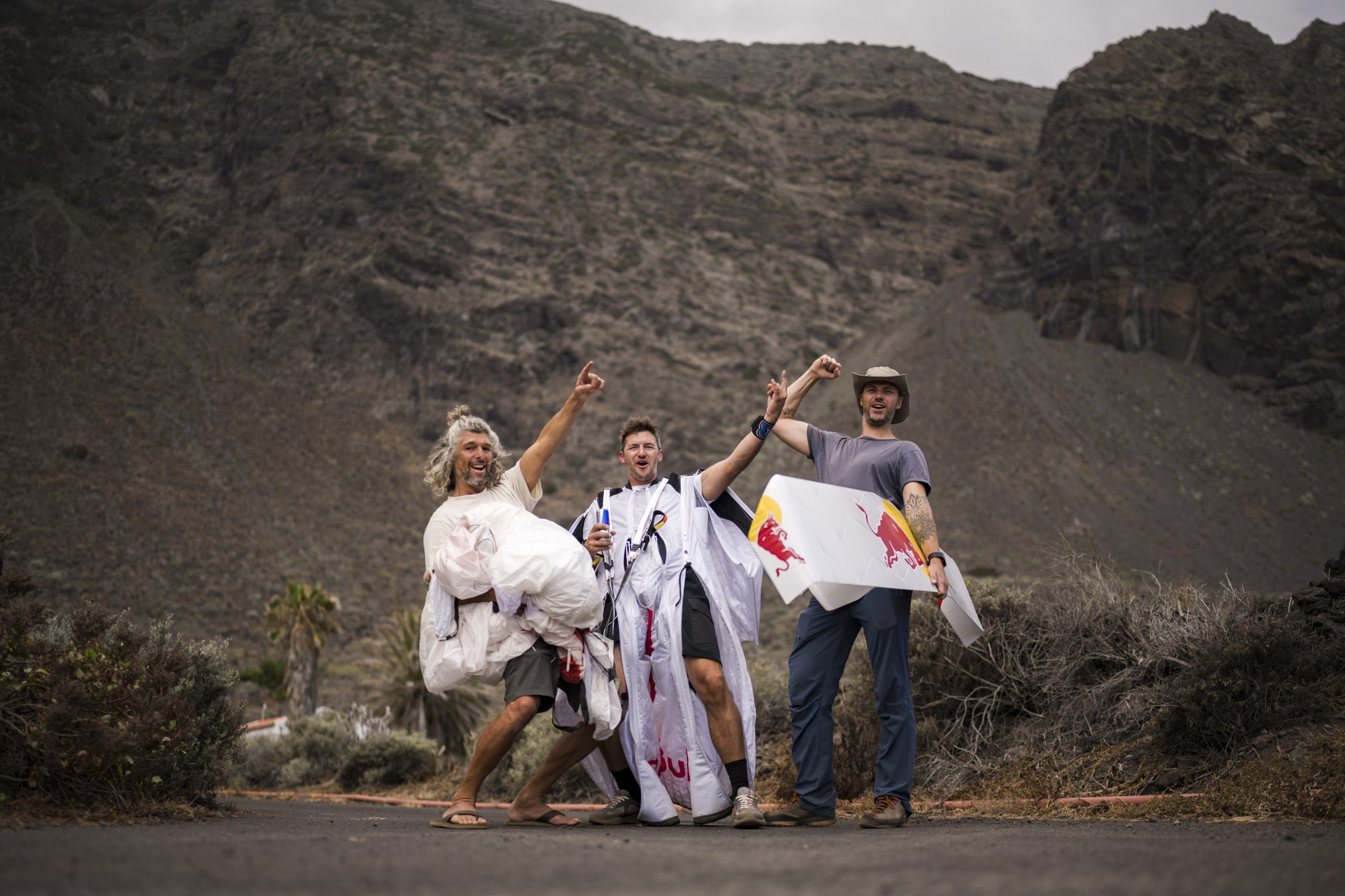
More than 30 people in El Hierro worked together to make the project possible — pilots, engineers, safety teams, drone operators, meteorologists, and creatives, each with a precise role. Every detail depended on teamwork, coordination, and a shared vision to push human flight into new territory.

Phase 5

Preparation and Research

Countless hours were spent studying ridge lift, wind behavior, foil dynamics, and flight control. Wind tunnel sessions, simulations, and repeated test flights helped shape a system precise enough to fly at the edge of stall speed while remaining fully controllable.

Phase 6

The Breakthrough Flight

On the cliffs of El Hierro, Peter successfully soared along the ridge for 160 seconds, gaining up to 67 meters of altitude mid-flight. Multiple 180-degree turns were completed while losing only a fraction of the altitude a standard wingsuit would require.

Phase 7

The Future

The project marked a possible turning point in wingsuit flying — from controlled falling to dynamic soaring. If future systems can repeatedly reconnect with rising air currents, extended soaring flights could eventually become a reality.

What began as a childhood dream evolved into one of the most experimental projects in modern human flight. Through relentless testing, innovation, and a deep understanding of the wind, the impossible slowly became achievable.

The Wingsuit Foil project proved that the future of flight may not lie in fighting gravity — but in learning how to work with it.

Partners

Ready for next project

Let's turn impossible into reality.

Contact